
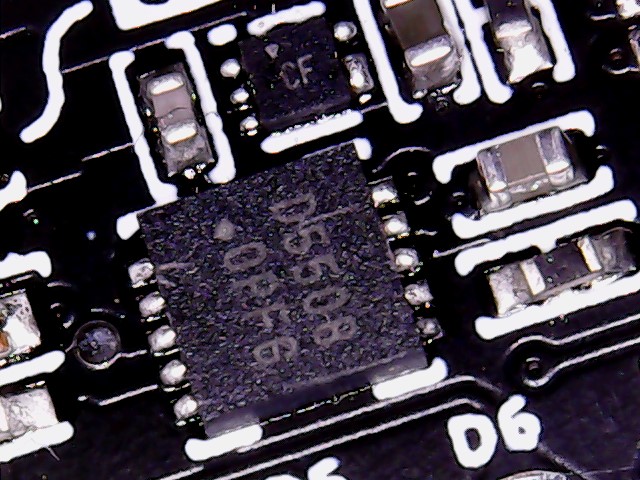
Thinkboard C3RIɅ is a development board I created a few years ago. This post will walk through the development process, so let’s get started!
#1 – The Reason
I named this board C3RIɅ after the main SoC it is built around the ESP32-C3, which adopts the open-source RISC-V CPU architecture. I created this board driven by an urge to challenge myself to build a small yet feature-rich development board. Not only is it powered by a capable SoC, but it also features a built-in single-cell Li-Ion battery charger, allowing the battery to be charged directly through the USB Type-C connector.
This board is tailored for anyone who needs a compact yet powerful, battery-operated controller.
#2 – The Process
The design process for this board was quite interesting. Back then, sourcing components was very challenging, almost every online electronics shop was out of stock due to the chip shortage during the COVID-19 pandemic. Fortunately, a few units were still available on Mouser Electronics, so I pulled out my credit card and placed an order. About a week later, after paying a few dollars in duties and taxes, the parts I needed finally arrived. I then completed the PCB design and submitted it to JLCPCB for manufacturing.
About three weeks later, the PCBs arrived and I immediately began assembling the components. It was not a smooth process, as I was doing everything by hand manual pick-and-place and manual reflow using a hot-air soldering station for every part in this project.
I ran into quite a few issues during assembly. One of the worst was tombstoning, as shown in the figure below.
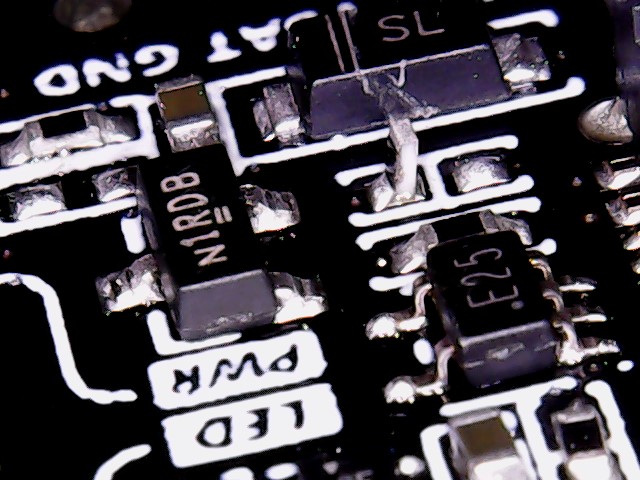
This occurred due to uneven heat distribution and an imbalance in solder amount between pads. One pad was connected to a copper polygon plane while the other was connected to a thin trace, this difference in thermal mass caused the tombstoning effect. It was a lesson in how poor design practices can directly impact the PCB assembly process.
#3 – The Result
C3RIɅ is pronounced ceria in Indonesian, meaning berseri-seri, and that word could not have better described the look on my face when I flashed the first “Hello World!” onto the SoC and watched the LED blink for the very first time.
Leave a Reply